


Which three-row SUV is quieter and more relaxing for highway drives near Crystal Lake, IL: 2026 Hyundai PALISADE or 2026 Toyota Grand Highlander?
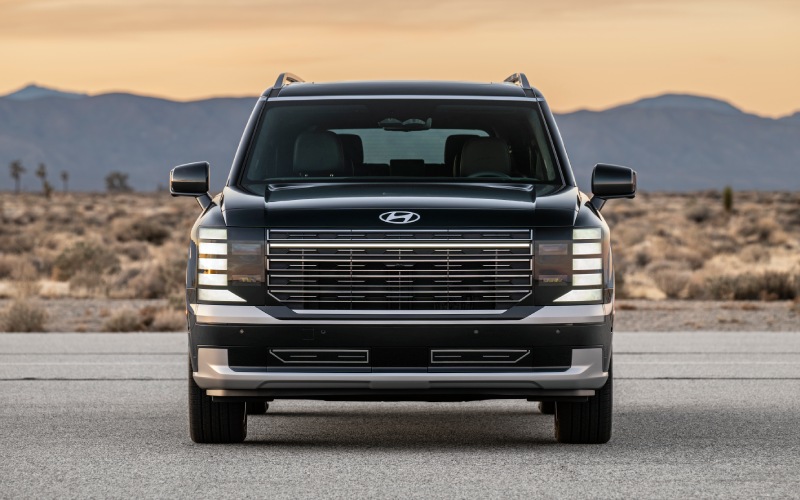
Patrick Hyundai – Which three-row SUV is quieter and more relaxing for highway drives near Crystal Lake, IL: 2026 Hyundai PALISADE or 2026 Toyota Grand Highlander?
Families weighing the 2026 Hyundai PALISADE and the 2026 Toyota Grand Highlander often ask a deceptively simple question: Which one is quieter and more relaxing at speed? When your routine jumps from Randall Road errands to weekend miles on I-90 or Route 31, small differences in cabin isolation, seating design, and driver-assist tuning become big quality-of-life factors. Let’s break down what shapes that calm, confident feeling—and how to spot it on your test drive.
What makes a quiet cabin feel truly relaxing?
Silence is only part of the story. The most serene three-row cabins combine low wind and road noise with stable body control, supportive seats, and driver-assist systems that reduce workload. The Hyundai focuses on that whole-system approach: structure, suspension, and software. The available 1st- and 2nd-row relaxation seats take pressure off your back and shoulders so you arrive fresh, while the 12.3-inch dual panoramic display places lane-keeping and navigation cues where your eyes already look. The Toyota counters with a confident chassis and available panoramic roof, and it delivers pleasant highway composure in its own right.
But where the Hyundai gains ground is in visibility tools that reduce subtle stressors—notably the Blind-Spot View Monitor camera feed that shows a live image in the cluster when you signal. Fewer head turns mean less muscle tension and less fatigue after long stints on I-90. Add the Automatic Camera Cleaning System to keep those views clear in bad weather, and the daily grind begins to feel easier.
How driver assists shape long-distance comfort
Both SUVs offer lane-centering and adaptive cruise. Toyota’s Lane Tracing Assist pairs with available Traffic Jam Assist to take the edge off congestion. Hyundai’s available Highway Driving Assist 2 goes a step further with hands-on lane-centering plus lane-change assist when conditions allow, so you can flow with traffic more naturally. On a multi-exit stretch through Crystal Lake, IL, where merges and exits can bunch up, that extra layer of assistance reduces the micro-corrections that make driving feel “busy.”
The Hyundai also integrates these assists with clearer on-screen context. With the 12.3-inch digital instrument cluster, you can see what the system sees—lane markers, following distance, blind-spot feeds—without shifting your focus. It’s a subtle advantage that grows over hours, not minutes.
Ride, seats, and the art of arriving refreshed
Ride quality depends on suspension tuning and wheel/tire choices. Grand Highlander is well sorted and stable over broken pavement. Hyundai tuned its chassis for isolation without float, and that poised balance helps when you encounter expansion joints or concrete patches. The available Nappa leather seating and relaxation-seat function reduce hotspots on your legs and shoulders, minimizing fidgeting on longer runs. Both SUVs can be quiet; the Hyundai aims for quiet plus composure, the recipe for a truly low-stress drive.
Small features that make a big difference
On longer trips, convenience touches can be the difference between relaxed and restless. The Hyundai’s built-in front and rear Dash Cam can capture the day’s drive and, with Parked Motion Detection, keep recording when you step away at a trailhead. The UV-C Sterilization Compartment helps keep small items cleaner. And the Wi-Fi hotspot capability in both SUVs keeps passengers content; screen-time harmony equals driver harmony.
How to test this for yourself
- Set the cabin baseline: turn off audio, drive the same route in both SUVs at 40, then 65 mph, and listen for wind around the A-pillars and tire hum.
- Check seat support: after 20 minutes, note any hotspots or the need to adjust posture.
- Engage assists: try lane-centering and adaptive cruise in light traffic, then glance workload—how often do you look away for blind-spot checks or cluster info?
- Evaluate visibility: signal lane changes and see whether the Hyundai’s Blind-Spot View Monitor reduces head-turning compared with traditional indicators.
The bottom line for Crystal Lake-area families
If your goal is a calmer, quieter highway routine, both candidates are solid. The Toyota’s straightforward tuning and sound insulation do their part. The Hyundai leans into the concept with a broader toolset: Highway Driving Assist 2, camera-fed blind-spot views in the cluster, an Automatic Camera Cleaning System, and available relaxation seating that takes pressure off your body. Over the course of a long day, those touches translate into a smoother, more composed experience.
Feature highlights that support a quiet, confident drive
- Driver-assist synergy: Highway Driving Assist 2 pairs lane-centering with natural-feeling lane changes to reduce mental load.
- Visibility confidence: Blind-Spot View Monitor and the Automatic Camera Cleaning System keep information clear when it matters.
- Seat-and-cabin serenity: Available Nappa leather and relaxation seats help you arrive without aches and fatigue.
Frequently Asked Questions:
Does the Hyundai’s Blind-Spot View Monitor replace shoulder checks?
No. It’s designed to complement attentive driving by giving you a live image in the cluster when you signal, reducing head movement and making it easier to confirm what’s next to you.
Can the Toyota’s systems keep up in stop-and-go traffic?
Yes. Toyota Safety Sense 3.0 with Lane Tracing Assist and available Traffic Jam Assist are tuned for congestion. Hyundai’s HDA 2 adds lane-change assistance at speed when conditions allow.
Is the built-in Dash Cam worth it?
If you park streetside, frequent busy lots, or just want a simple record of your trip, having the hardware integrated—front and rear, with Parked Motion Detection—is convenient and removes the clutter of aftermarket cameras.
At Patrick Hyundai, serving Mount Prospect, Rolling Meadows, and Crystal Lake, we recommend setting up a back-to-back route that includes highway, surface streets, and a quick parking maneuver. Bring the family, load a couple of bags, and feel how the details add up over an hour—not just five minutes. That’s how to choose the three-row that truly relaxes the day-to-day. Patrick Hyundai is always glad to set up a drive that mirrors your real routine.

0 comment(s) so far on Which three-row SUV is quieter and more relaxing for highway drives near Crystal Lake, IL: 2026 Hyundai PALISADE or 2026 Toyota Grand Highlander?