


Hybrid vs. Gas Hyundai: Which One Is Right for You?
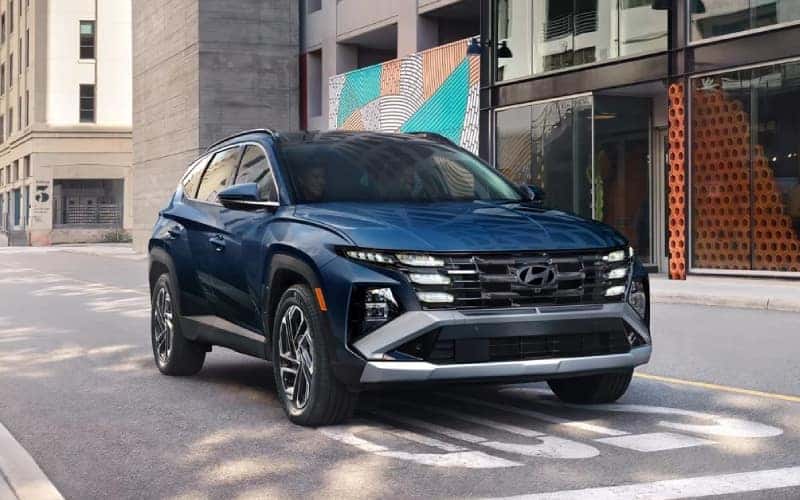
As more drivers look for ways to save money at the pump while reducing their environmental impact, hybrid vehicles have become an increasingly popular alternative to traditional gas-powered models. Hyundai offers a wide range of vehicles with both hybrid and gasoline powertrains, giving shoppers more flexibility when choosing their next SUV or sedan.
But is a Hyundai hybrid actually worth the extra cost? Or is a traditional gasoline Hyundai the better choice for your driving needs?
The answer depends on several factors, including your driving habits, budget, fuel costs, performance preferences, and how long you plan to keep your vehicle. In this guide, we’ll compare Hyundai hybrid vs. gas vehicles to help you decide which option is the right fit.
What Is the Difference Between a Hyundai Hybrid and a Gas Hyundai?
The biggest difference between a hybrid Hyundai and a traditional gas-powered Hyundai is the way the vehicle generates and uses power.
A gas-powered Hyundai relies only on an internal combustion engine fueled by gasoline. The engine provides all the power needed for acceleration, highway driving, and everyday transportation.
A Hyundai hybrid combines a gasoline engine with one or more electric motors and a battery pack. The vehicle can use electric power alone at lower speeds, combine gas and electric power for improved acceleration, or use regenerative braking to recharge the battery while driving.
Popular Hyundai hybrid models include:
These models provide the same SUV practicality and comfort as their gas counterparts while offering improved fuel efficiency.
Fuel Economy: The Biggest Advantage of Hyundai Hybrids
For many drivers, fuel savings are the main reason to choose a hybrid.
Hyundai hybrid vehicles are designed to maximize efficiency by using electric assistance during situations where traditional gasoline engines are less efficient, such as stop-and-go traffic or city driving.
For example:
- A Hyundai Tucson Hybrid can achieve significantly better fuel economy compared with the standard gas Tucson.
- A Santa Fe Hybrid provides improved efficiency while still offering three-row SUV capability.
- Hybrid models are especially beneficial for drivers with long daily commutes or frequent city driving.
A gas-powered Hyundai may still deliver excellent fuel economy, but hybrid models typically have the advantage when it comes to miles per gallon.
Who Benefits Most From a Hybrid?
A Hyundai hybrid may be the better choice if you:
- Drive frequently in city traffic
- Have a long daily commute
- Want to spend less money on fuel over time
- Plan to keep your vehicle for many years
- Want a more efficient SUV without sacrificing comfort
Drivers who spend most of their time on highways may see a smaller difference because gasoline engines are already operating efficiently at steady speeds.
Performance Comparison: Hybrid vs. Gas Hyundai
Many drivers assume hybrid vehicles are slower or less powerful than gas models, but modern Hyundai hybrids have changed that perception.
Hyundai hybrid systems often provide additional instant torque from the electric motor, which can make acceleration feel smoother and more responsive.
For example, the Hyundai Santa Fe Hybrid combines a turbocharged gasoline engine with electric assistance to deliver strong performance while maintaining better efficiency than the traditional gas version.
Gas-powered Hyundai models may still appeal to drivers who prefer a simpler powertrain or specific performance characteristics, especially when comparing vehicles with larger engines.
Overall:
Choose a Hyundai Hybrid if you want:
- Smooth acceleration
- Instant electric torque
- Better fuel efficiency
- A quieter driving experience
Choose a Gas Hyundai if you want:
- Traditional engine performance
- A lower upfront purchase price
- A simpler ownership experience
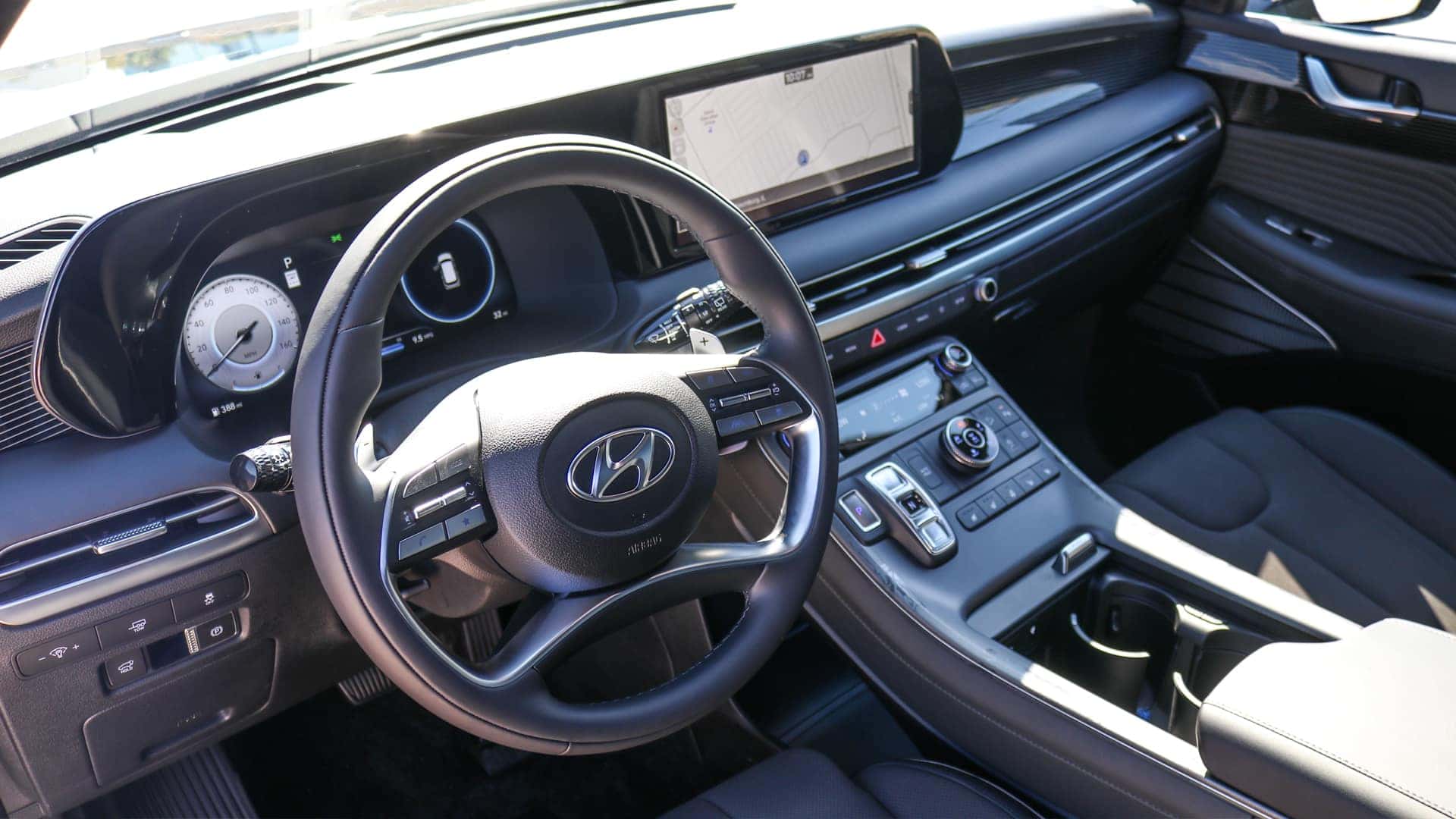
Cost Comparison: Is a Hyundai Hybrid Worth the Extra Money?
One of the biggest questions shoppers have is whether the higher price of a hybrid model is worth it.
Generally, Hyundai hybrid vehicles cost more upfront because of the additional electric motor and battery technology. However, the difference can often be recovered over time through fuel savings.
When comparing costs, consider:
Initial Purchase Price
Gas Hyundai models usually have a lower starting price, making them attractive for shoppers focused on keeping monthly payments lower.
Long-Term Fuel Savings
Hybrid owners may save hundreds of dollars per year on fuel depending on driving habits, fuel prices, and mileage.
Ownership Length
The longer you own your vehicle, the more opportunity you have to benefit from the hybrid’s fuel savings.
If you plan to own your Hyundai for several years and drive regularly, a hybrid may provide better overall value.
Maintenance: Are Hyundai Hybrids More Expensive to Maintain?
A common misconception is that hybrids require significantly more maintenance than gasoline vehicles.
Modern Hyundai hybrids are designed for long-term reliability and use many of the same maintenance procedures as gas models, including:
- Oil changes
- Tire rotations
- Brake inspections
- Routine service checks
Hybrid vehicles can also experience less brake wear because regenerative braking helps slow the vehicle while recovering energy.
The hybrid battery is designed to last for many years and is covered by Hyundai’s hybrid system warranty.
Driving Experience: Which Feels Better Behind the Wheel?
The driving experience between a hybrid and gas Hyundai can feel different.
Hybrid Hyundai models typically provide:
- Quieter operation at low speeds
- Smoother acceleration
- Less engine noise during city driving
- A more relaxed driving experience
Gas-powered Hyundai models may feel more familiar to drivers who prefer traditional engine response and sound.
For everyday commuting, many drivers appreciate the smooth and quiet nature of Hyundai hybrid vehicles.
Hybrid vs. Gas Hyundai: Pros and Cons
Hyundai Hybrid Advantages
✅ Better fuel economy
✅ Lower fuel costs over time
✅ Quiet and smooth driving experience
✅ Reduced emissions
✅ Strong acceleration from electric torque
Hyundai Hybrid Disadvantages
❌ Higher upfront purchase price
❌ Not always the best value for low-mileage drivers
❌ Slightly more complex powertrain technology
Gas Hyundai Advantages
✅ Lower purchase price
✅ Familiar driving experience
✅ Good option for occasional drivers
✅ Wide availability across Hyundai models
Gas Hyundai Disadvantages
❌ Higher fuel costs over time
❌ Less efficient in city driving
❌ More dependent on gasoline prices
Which Hyundai Should You Choose?
The right choice depends on your lifestyle.
A Hyundai Hybrid is a great option if you:
- Drive often
- Want maximum fuel savings
- Spend time in city traffic
- Want the latest efficiency technology
- Plan to keep your vehicle long-term
A gas-powered Hyundai may be better if you:
- Drive fewer miles each year
- Want the lowest upfront price
- Prefer traditional engine performance
- Do mostly highway driving
Both options provide Hyundai’s reputation for safety, technology, comfort, and value. The best choice comes down to how you use your vehicle every day.
Explore Hyundai Hybrid and Gas Models at Patrick Hyundai
If you’re deciding between a Hyundai hybrid and a gas-powered Hyundai, the team at Patrick Hyundai can help you compare available models, features, pricing, and financing options.
Whether you’re interested in a fuel-efficient Tucson Hybrid, a spacious Santa Fe Hybrid, or a traditional gasoline Hyundai SUV, our experts can help you find the right vehicle for your needs.
Visit Patrick Hyundai today to explore our current inventory, schedule a test drive, and discover which Hyundai powertrain is the best fit for your lifestyle.

0 comment(s) so far on Hybrid vs. Gas Hyundai: Which One Is Right for You?